Home

Welcome to the Montana Higher Education Consortium (HEC)

Seeking to encourage professional development opportunities for general and special education faculty of all Montana Institutions of Higher Education and provide a mechanism for collaboration, networking, discussion, and advising of critical issues in higher education.

Meeting Archives

Spring 2025

  • Theme: Growing Collaborative Systems and Partnerships
  • Dates: April 24-25, 2025
  • Location: University of Montana, Missoula, MT

Materials:
Agenda (PDF)

Fall 2024

Materials:
Agenda (PDF)

Spring 2024

  • Theme: Sow the Seeds for Wellness
  • Dates: April 11-12, 2024
  • Location: Carroll College, Helena, MT

Materials:
Agenda (PDF)

Fall 2023

Materials:
Agenda (PDF)

Spring 2023

  • Theme: Continuous Improvement Through Collaboration and Partnerships
  • Dates: March 30-31, 2023
  • Location: Montana State University, Billings, MT

Materials:
Agenda (PDF)

Fall 2022

  • Theme: Resilience – The Staying Power in Education
  • Dates: October 27-28, 2022
  • Location: Carroll College, Helena, MT

Materials:
Agenda (PDF)

Spring 2022

  • Theme: Proficiency-Based Education
  • Dates: March 31 - April 1, 2022
  • Location: University of Providence, Great Falls, MT

Materials:
Agenda (PDF)

Fall 2021

  • Theme: Building and Revitalizing Partnerships
  • Dates: November 4-5, 2021
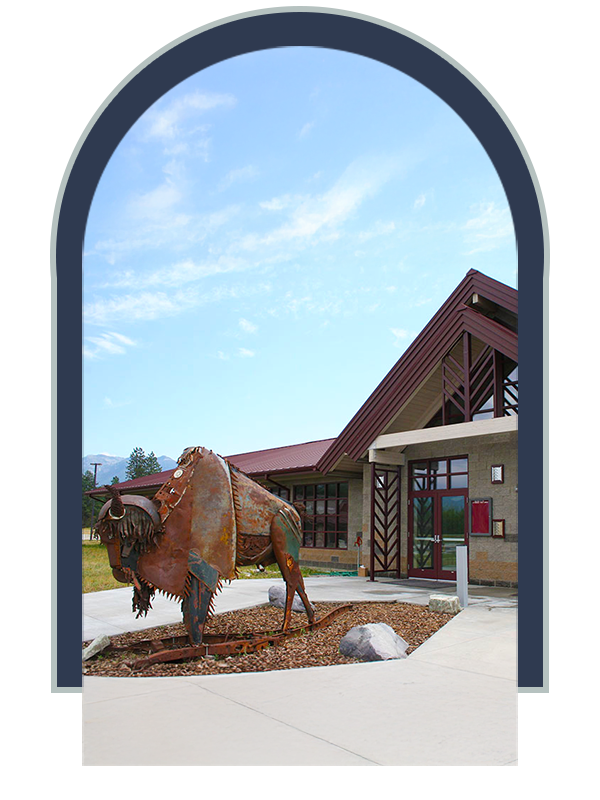
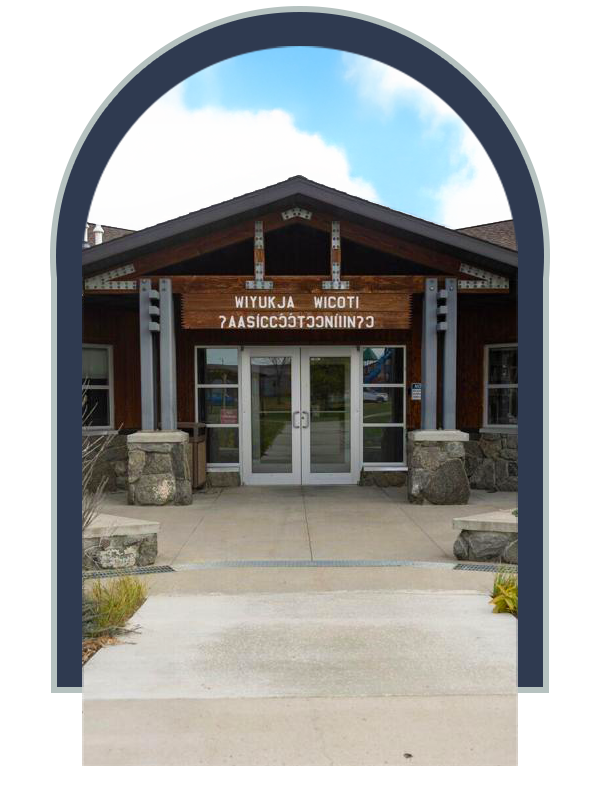
  • Location: Salish Kootenai College, Pablo, MT

Materials:
Agenda (PDF)

Spring 2021

  • Dates: April 8, 2021
  • Location: Virtual

Materials:
Agenda (PDF)

By-Laws

Montana Office of Public Instruction (OPI) Comprehensive System of Personnel Development (CSPD)

Montana Higher Education Consortium By-Laws 2025

The following are by-laws and operating procedures for the Montana Higher Education Consortium (HEC).

  1. Name—The name of the group will be the Montana Higher Education Consortium. In these by-laws, the word “Consortium” will be used throughout these by-laws.
  2. Vision of the Consortium—The vision of the Consortium is to exchange ideas and encourage professional development opportunities for general education, special education and related services, and educational leadership faculty of all Montana educator preparation and educational leadership programs; provide a mechanism for collaboration, networking, and discussion; and provide advice on critical issues for Montana general education educator preparation, special education educator and related service provider preparation, and educational leadership faculty.
  3. Mission of the Consortium—The Montana HEC will:
    • Encourage a more seamless educational system and merge general and special education into one unified system.
    • Understand and promote the use of evidence-based academic and behavioral strategies.
    • Closely link Montana educator preparation and educational leadership programs to PK–12 public education and the Montana Office of Public Instruction (OPI).
  4. Affiliation—The Consortium is an activity under the Montana Comprehensive System of Personnel Development (CSPD) (please reference ARM 10.16.3135). Funding for the Consortium is provided by the Montana Office of Public Instruction, Special Education Unit.
  5. Montana Office of Public Instruction —The Montana CSPD Coordinator will serve as the lead contact for the HEC Consortium under the direction of the Montana State Special Education Director.
  6. Membership—The Consortium is comprised of Montana general and special education faculty from educator and related service provider preparation and educational leadership programs in Montana. The current membership includes faculty from the following Montana Universities and Colleges:
    • Universities
      • Montana State University - Billings
      • Montana State University - Bozeman
      • Montana State University - Northern
      • University of Montana - Missoula
      • University of Montana - Western
      • University of Providence
    • Colleges
      • Carroll College
      • Dawson Community College
      • Great Falls College – Montana State University
      • Helena College – University of Montana
      • Miles Community College
      • Rocky Mountain College
    • Tribal Colleges
      • Blackfeet Community College
      • Chief Dull Knife College
      • Fort Belknap College
      • Fort Peck Community College
      • Little Big Horn College
      • Salish Kootenai College
      • Stone Child College
    • OPI maintains a list of approved Montana educator preparation programs, which the HEC references.
  7. Meetings—There are two meetings conducted each year in the Spring and Fall. The location is determined by the Montana Office of Public Instruction and Consortium Leads. The agenda and topics are determined by the Consortium membership in collaboration with the Montana State Special Education Director.
  8. Consortium Leadership—The CSPD Coordinator, in consultation with the Montana State Special Education Director, will select two members of the Consortium to provide planning and implementing Consortium activities. One Lead will be from general education faculty and one from special education faculty.
    1. Lead Members Responsibilities—The following are possible responsibilities of the two Lead Consortium members:
      • Collaborate and communicate with the CSPD Coordinator and Montana State Special Education Director regarding all Consortium activities.
      • Assist in planning Consortium agendas and meetings and connect with faculty regarding presentations and meeting topics.
      • Connect with host faculty regarding the location/facility for each Consortium meeting.
      • Communicate with Consortium members regarding all activities and meetings.
      • Assist TAESE staff with the facilitation of planning meetings and Consortium meetings.
    2. Term of Office—There is no term limit for the Consortium Leads. The Consortium Leads can resign their position but should give adequate notice to the Montana State Special Education Director. In the event a Consortium Lead is not fulfilling their responsibilities, the Montana State Special Education Director will consult with the CSPD Coordinator and the other Consortium Lead to determine the process to improve responsibility performance or remove the Lead from their position.
  9. General HEC Membership Expectations—Faculty members from general education, special education educator preparation and related services, and educational leadership programs should:
    • Attend Consortium meetings.
    • Share with other HEC members research, initiatives, and other programs of interest at their IHE.
    • Promote the HEC with other faculty members. Notify TAESE if names and contact information changes at their IHE.
  10. TAESE Responsibilities—OPI contracts with TAESE to assist with the HEC. They will complete duties as assigned within the contract.
  11. By-Laws—The HEC by-laws should be reviewed annually by the Consortium Leadership and shared with Consortium members.

About the Consortium

Montana Office of Public Instruction Comprehensive System of Personnel Development (CSPD)

Institutions of Higher Education Consortium Teacher Education

Mission: Encourage a more seamless educational system and merge general and special education into one unified system. Understand and promote the use of evidence-based academic and behavioral strategies. Closely link Montana educator preparation and educational leadership programs to PK–12 public education and the Montana Office of Public Instruction (OPI).

Meeting Details

Meetings: Twice each year in the Spring and Fall.

Agenda/TopicsSee the Meeting Archives for a record of past agendas and topics.

Participants: Teacher education faculty and educational leadership staff from Montana IHEs.

Sponsors/Support:

  • Montana Office of Public Instruction
  • Special Education Division
  • Comprehensive System of Personnel Development

Staff & Faculty

Lead OPI Staff: Tammy Lysons

Lead Consortium Faculty: Kari Dahle-Huff (General Education) and Kathleen Gilboy (Special Education)

Previous HEC Lead Consortium Faculty:

  • Tessie-Rose Bailey
  • Laura Straus
  • Estee Aiken
  • Angel Turoski
  • Melissa Sullivan-Walker

Bridging the Gap between General and Special Education Teacher Training Faculty

The Montana Office of Public Instruction (OPI), Special Education Unit, has always been interested in and encouraged the involvement of Institutions of Higher Education (IHE) in State-coordinated activities such as the State Special Education Advisory Panel, Comprehensive System of Personal Development Council, State Professional Development Plan and State Performance Plan. The HEC is an activity under the Montana State Comprehensive System of Personnel Development (CSPD). The OPI supported a Higher Education Consortium for the past twelve years. One outcome of the Consortium is to create a mechanism to foster greater involvement of IHEs in important educational initiatives to ensure there is consistency between the message of the OPI and IHEs regarding future teachers on important educational initiatives.

Challenges

During the first few years, the challenge was to get the active participation in the Consortium from special education faculty from all IHEs in Montana, which included universities, State and private colleges, and tribal colleges. In the past few years, general education faculty has also been encouraged to participate in the Consortium. In September 2005, all Montana IHEs sent both general and special education staff to Consortium meetings. This has created a bridge of communication and networking between general and special education faculty. The Consortium now has co-leaders, one from general and one from special education. These co-leads collaborate with the coordinator of the State CSPD system, who is a staff member of OPI The Consortium is made up of general and special education faculty from all the IHEs in the State including those listed below:

Universities

Colleges

Tribal Colleges

Through the twice-a-year meetings and OPI support, the IHEs network, share, and plan strategically in a common direction. The State CSPD Coordinator and Montana State Director of Special Education are the key connections and provide leadership for all Consortium activities.

Results

The following are just some of the results of this IHE collaboration:

  • By-laws have been developed for the Consortium.
  • The Consortium now has a website where materials and information are housed.
  • The HEC has created a true community of practice.
  • An agreement was created among each IHE that allows students to transfer from one IHE to another without penalty. Transferability of credits has become a problem of the past for IHE students.
  • There is a joint collaboration and networking with general and special education faculty.
  • The Consortium has provided valuable advice to OPI regarding the highly qualified issue in ESEA and IDEA.
  • The Consortium addressed the Montana endorsement project. This is a collaborative program among all the IHEs giving opportunities for teachers to be endorsed in other areas and provide a mechanism for para-educators to complete an endorsement program.
  • Involvement of IHEs in the Montana Professional Development Grant and CSPD Council
  • The HEC conducted a faculty enhancement academy that involved general and special education faculty.  This activity has brought preservice, inservice, and technical assistance together for a common cause and created a model other States can replicate.